The Eclipse
On August 12, 2026, the Moon’s shadow swept across the North Atlantic and over Iceland — Reykjavík’s first total solar eclipse since 1433. As the ship’s astronomer, I briefed passengers in the days beforehand on what totality would look like, then narrated the event itself from the deck as the sky went dark in the middle of the day. The lecture series below led up to and followed that moment — from the scale of the universe down to the mechanics of the eclipse itself, and on to two more of the sky’s great shows, the aurora and meteors.
Lecture Series
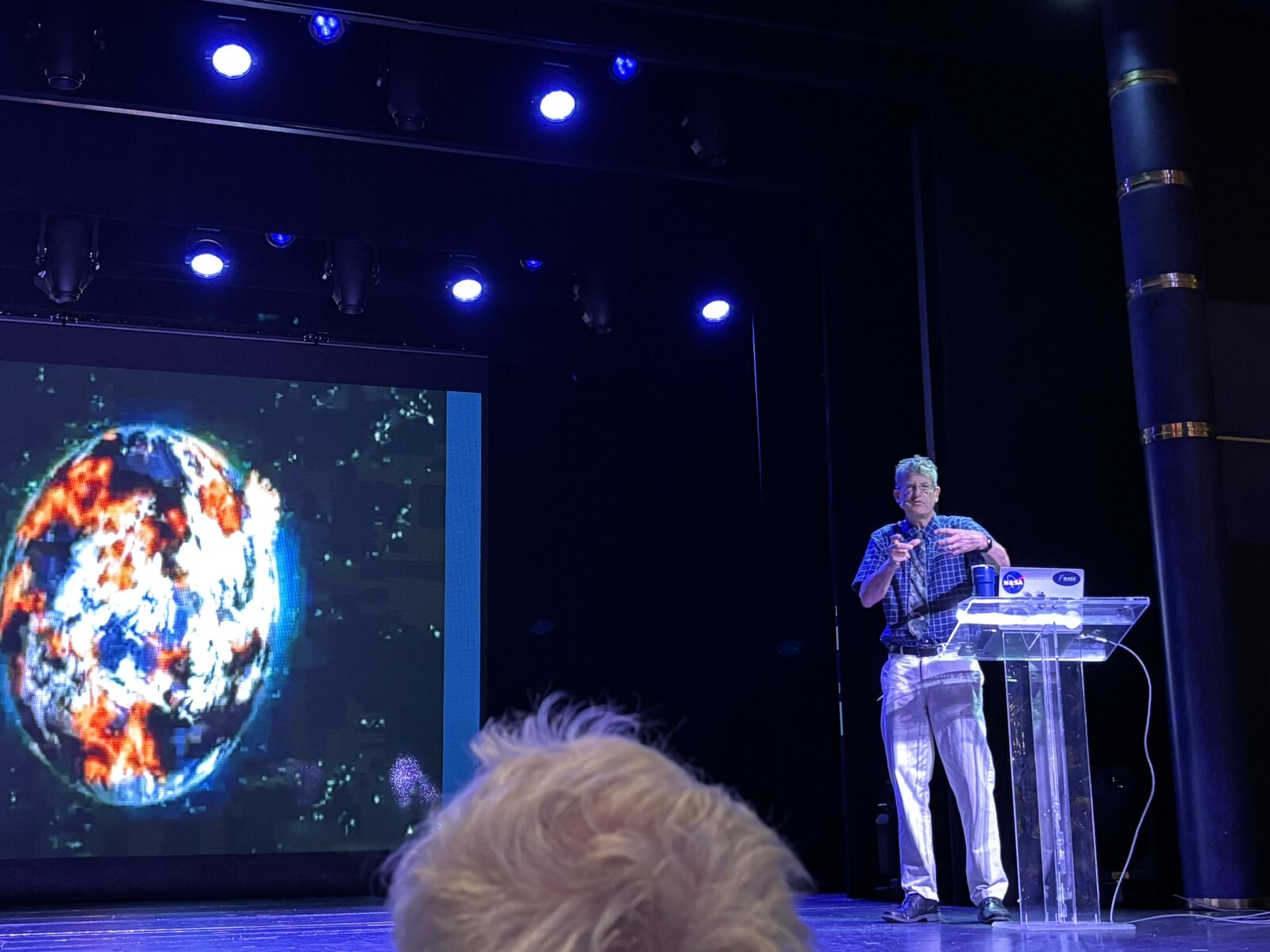
Six lectures given over the two-week voyage, in order.

“Unimaginably Big: The Scale of the Solar System and Beyond”
Just how large is the Universe? Starting with our own cosmic backyard and zooming out to the farthest reaches of space, this talk uses vivid, everyday comparisons to make the incomprehensible scale of the cosmos feel almost tangible. From the distance to the Moon to the edge of the observable Universe, the scale is simultaneously humbling and astonishing.
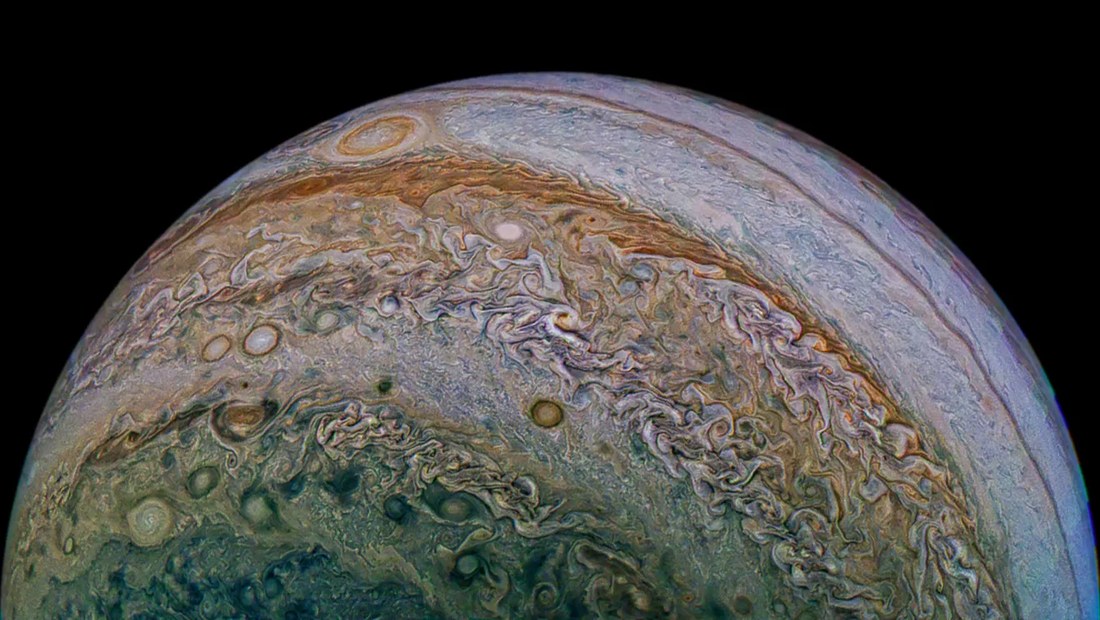
“A Jaunt Around the Neighborhood: Our Solar System”
This is the golden age of Solar and Planetary Science. In the past 50 years, robotic spacecraft have visited, probed, and photographed every planet, along with dozens of moons, asteroids, and comets. This talk surveys the wonders of our solar system with stunning images from these missions — including active volcanoes on Io, liquid methane lakes on Titan, and the eerily Earth-like landscapes of Mars.
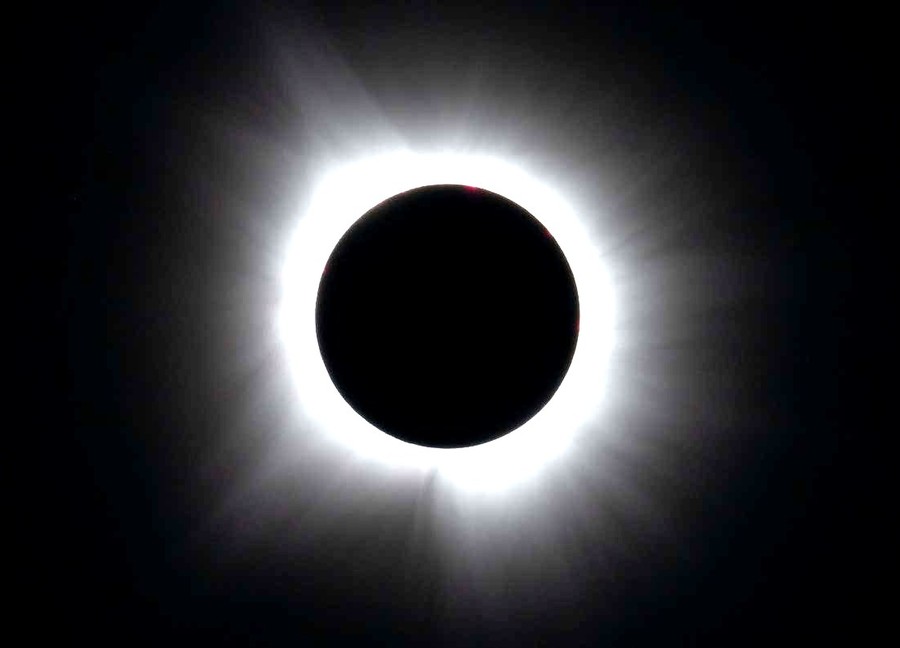
“The Sun: Your Eclipse Briefing”
The Sun is not a calm, steady lightbulb — it is a roiling, explosive, massive ball of superheated plasma. Today, you will witness a total solar eclipse, one of the rarest and most spectacular sights in nature. In this talk, find out what you are actually about to look at: what makes the Sun shine, why the ghostly corona is only visible during totality, and what those pink flames leaping off the edge of the Sun actually are. Think of this as your eclipse preview.
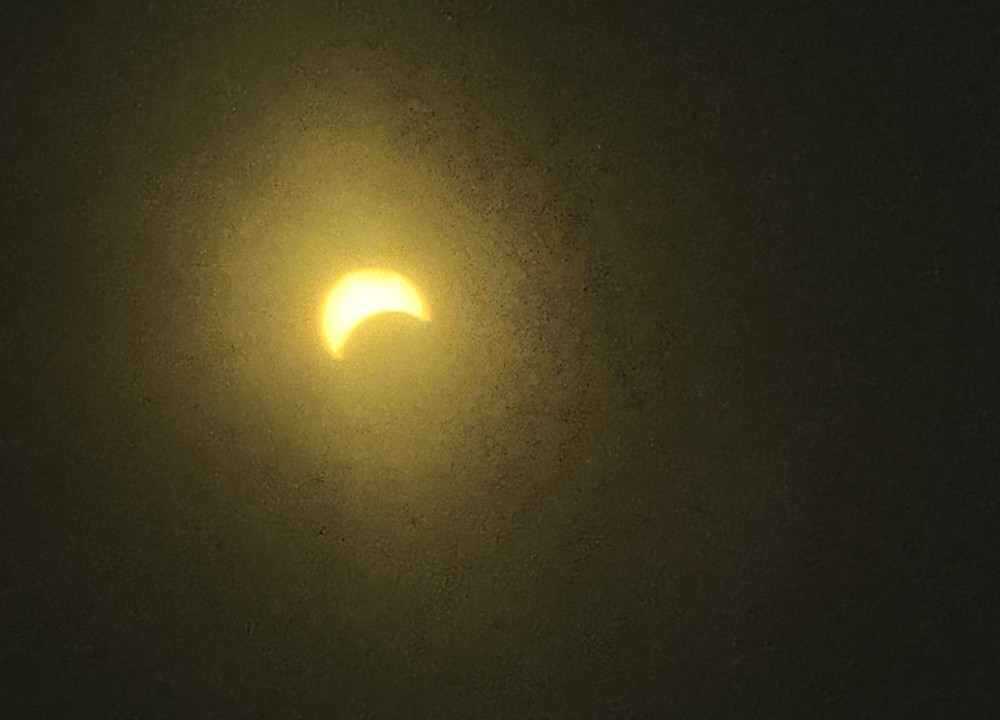
“Eclipses: What Did We Just See?”
What exactly happened, and why did it occur at all? Why is the Moon almost exactly the same apparent size as the Sun? This talk unpacks the experience and goes deeper into what eclipses have revealed about the Universe. It also includes a hands-on demonstration of spectroscopy — the remarkable technique through which scientists can determine the chemistry, temperature, and motion of the sun and stars light-years away.
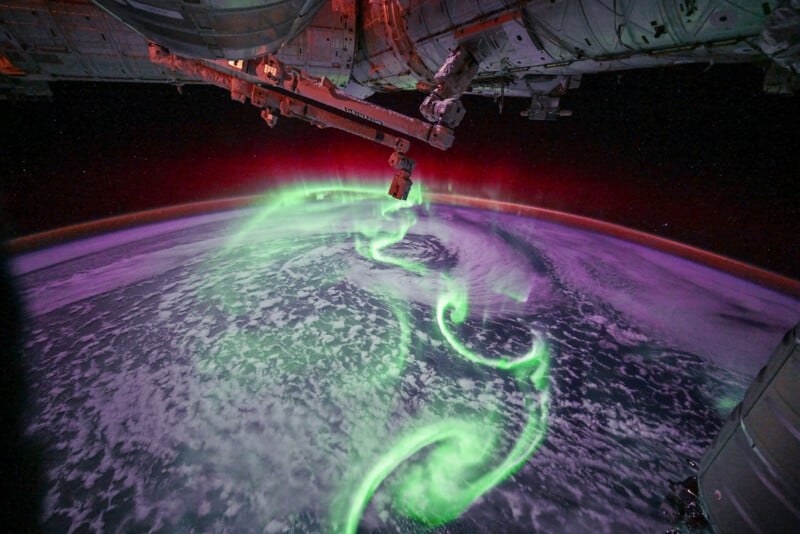
“Dancing Lights: The Science and Magic of the Aurora Borealis”
The same Sun we watched being eclipsed a few days ago is constantly hurling streams of charged particles into space — and when those particles slam into Earth’s upper atmosphere near the poles, the result is one of the most breathtaking natural light shows on Earth: the Aurora Borealis. As we sail through these northern waters, find out what causes the aurora, why we might see it here, what gives it its different colors, and how powerful solar storms can send it dancing as far south as New England.
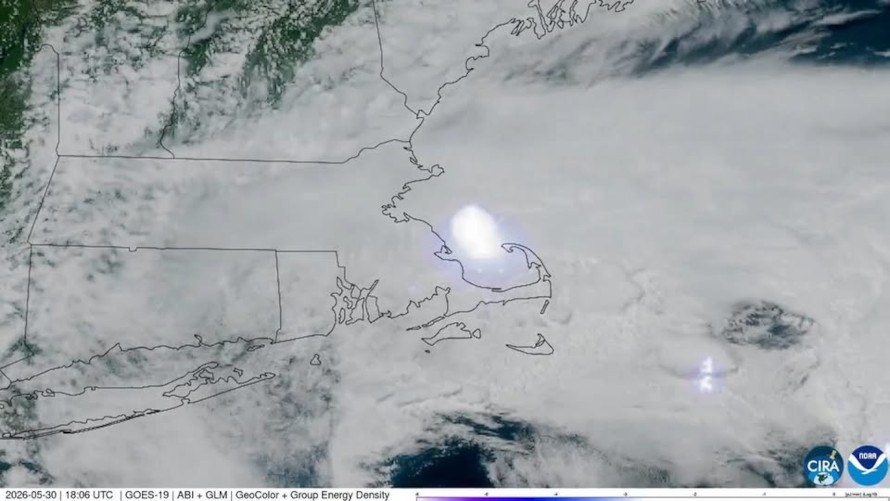
“Rocks Falling from the Sky: Meteors, Fireballs, and the Occasional Catastrophe”
A fireball from space exploded over Cape Cod Bay on May 30 of this year — some of you may have heard the sonic boom. These events are far more common than most people realize. An object over a meter across strikes Earth roughly once every ten days, and tiny particles traveling many times faster than a bullet rain down on us every second of every day. This talk surveys the full spectrum of cosmic impacts — from the catastrophe that wiped out the dinosaurs 66 million years ago to the constant, invisible drizzle of interplanetary dust that silently settles on your car and your roof every night.
Aboard the Ship
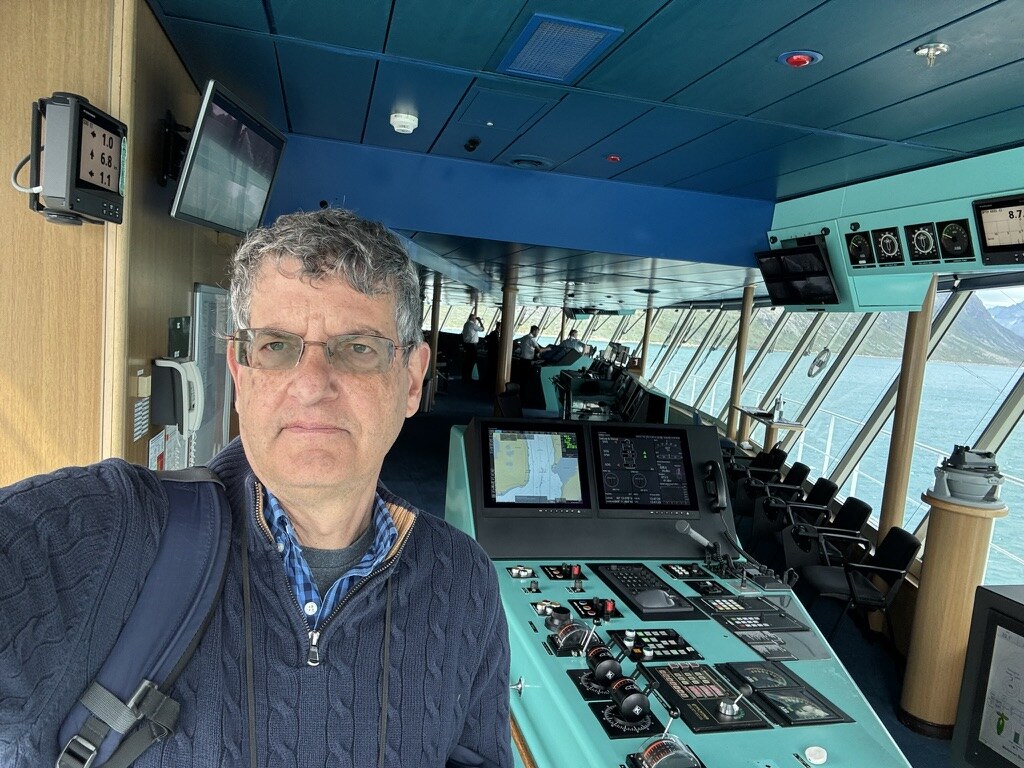
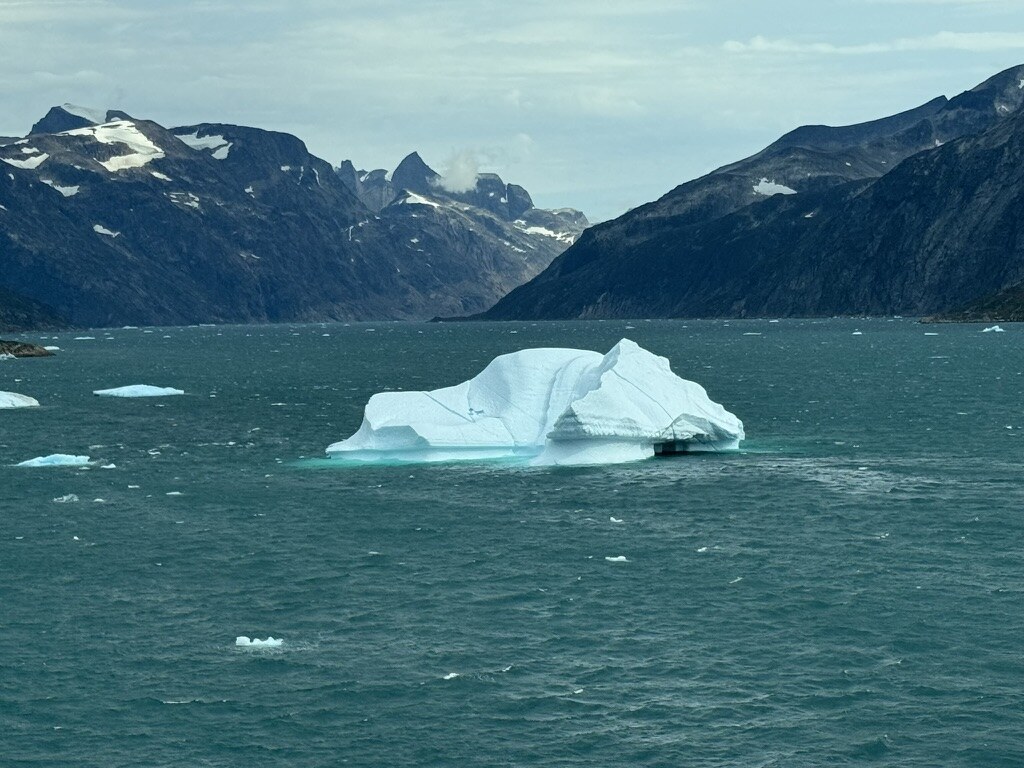
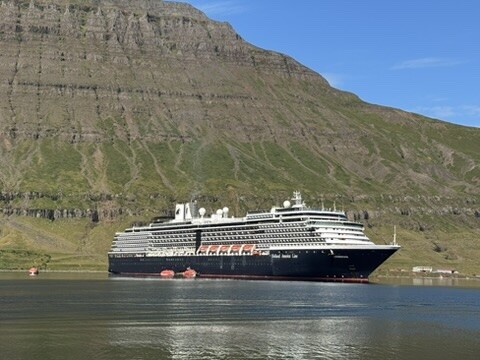
Scenes from the voyage through Greenland and Iceland.